
Phygital-OC Hosts Second Regional Community of Practice Event in Rome
Phygital-OC Hosts Second Regional Community of Practice Event in Rome
Rome, 29 January 2026
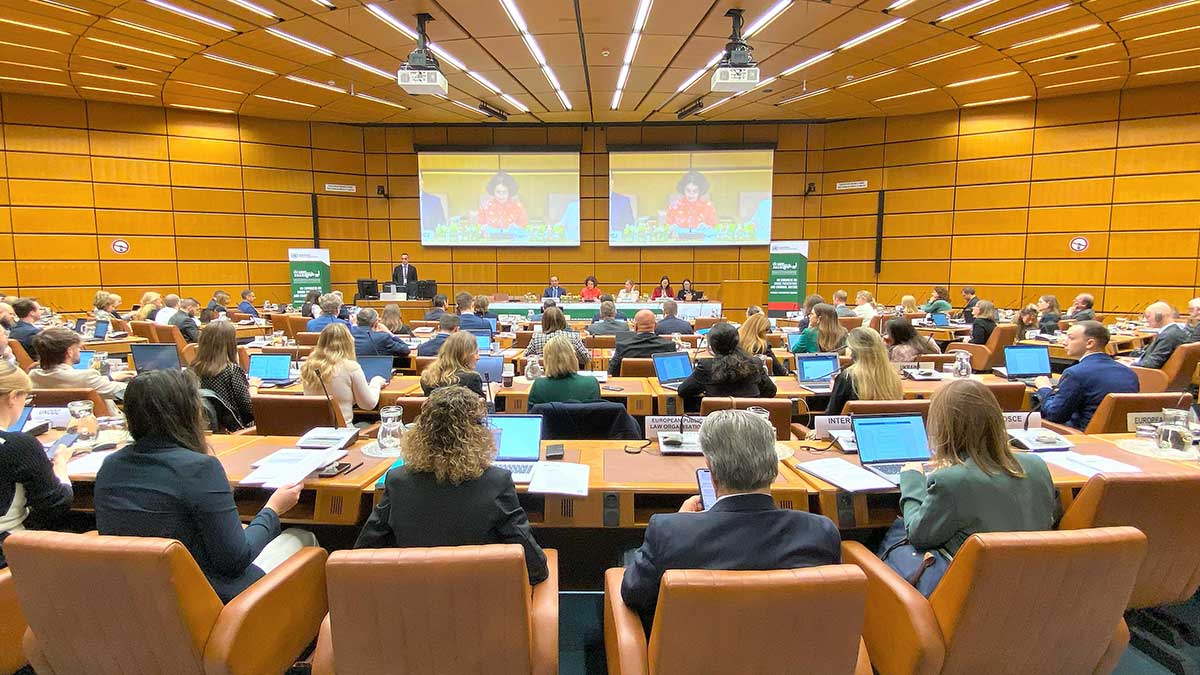
Phygital-OC convened leading policymakers and practitioners from across Europe and Libya for its second regional Community of Practice (CoP) event, held on 29 January in Rome. The event marked a renewed commitment to strengthening cooperation between European and North African partners to work more closely together to Dismantle Organised Crime.
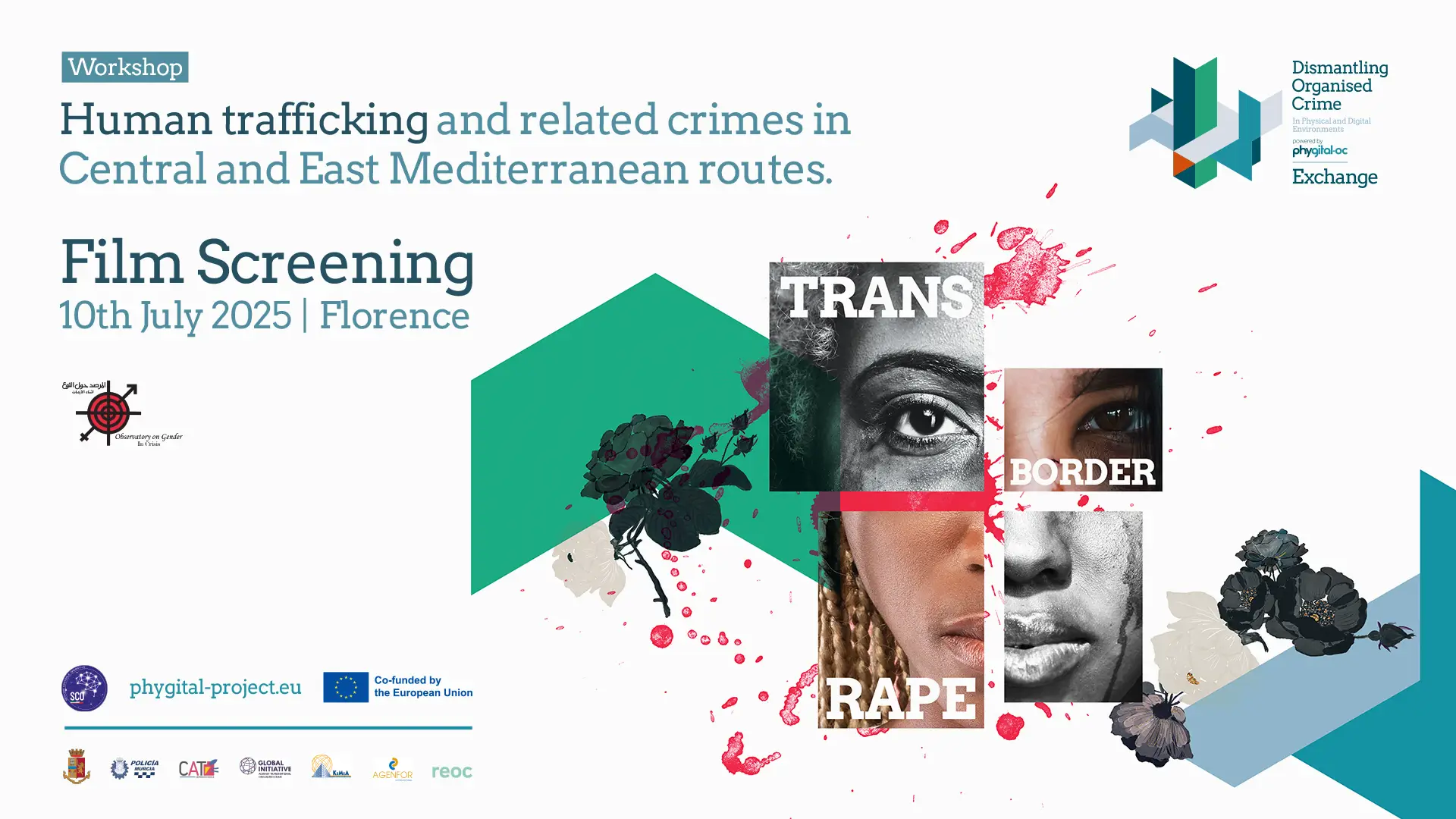
Bringing together representatives from law enforcement, academia and civil society, the COP event focused on one of the most pressing issues facing the region today: human trafficking and people smuggling across Central Mediterranean routes between Libya and Southern Europe.
Through an active exchange of information, insight and intelligence, the event fostered a shared understanding of the problem. Participants examined the nature, scale and dynamics of the organised crime groups (OCGs) involved, and explored how criminal networks are exploiting digital channels to facilitate movement across borders, manage payments and coordinate their activities.
Participants recognised the important role that the Phygital-OC project plays in improving a collective understanding of how transnational criminal networks operate across both physical and digital environments, as well as in developing and deploying advanced technologies to track, monitor and respond to these threats.
Contributions from law enforcement practitioners highlighted operational realities on the ground – including policing vast borders, migrant settlements and money transfer operations – while speakers from academia and civil society shared powerful, human-centred perspectives from victims and survivors of trafficking, including cases of sexual and labour exploitation.
The event provided a valuable platform for multi-agency dialogue on how to address these complex and evolving criminal threats. Participants consistently emphasised the need for stronger collaboration, improved information sharing and more coordinated cross-border operations and responses.
There was also recognition of the great efforts made by both Libyan and Tunisian authorities – including the police and border agencies – to prevent irregular migration, disrupt smuggling networks and stop dangerous maritime departures from North African shores.
Those present at this important event, signalled a shared commitment to continue deepening cooperation between European and North African authorities, particularly on joint approaches to detect, disrupt and dismantle organised crime groups (OCGs) and criminal networks operating across the region.
“The challenges posed by human trafficking and migrant smuggling do not stop at borders – they affect us all. Tackling them cannot be the responsibility of a single organisation or country. It requires cooperation, shared understanding and a commitment to work together,” commented a Libyan representative.
The second Community of Practice event reaffirmed Phygital-OC’s role as a convenor of diverse expertise and set the stage for continued collaboration in tackling organised crime along critical migration and smuggling routes across the Mediterranean.