
Phygital-OC Film Screening, Florence
Phygital-OC Film Screening, Florence
From screen to strategy: PHYGITAL-OC gathers in Florence for film screening of new documentary on human trafficking.
Florence, July 2025
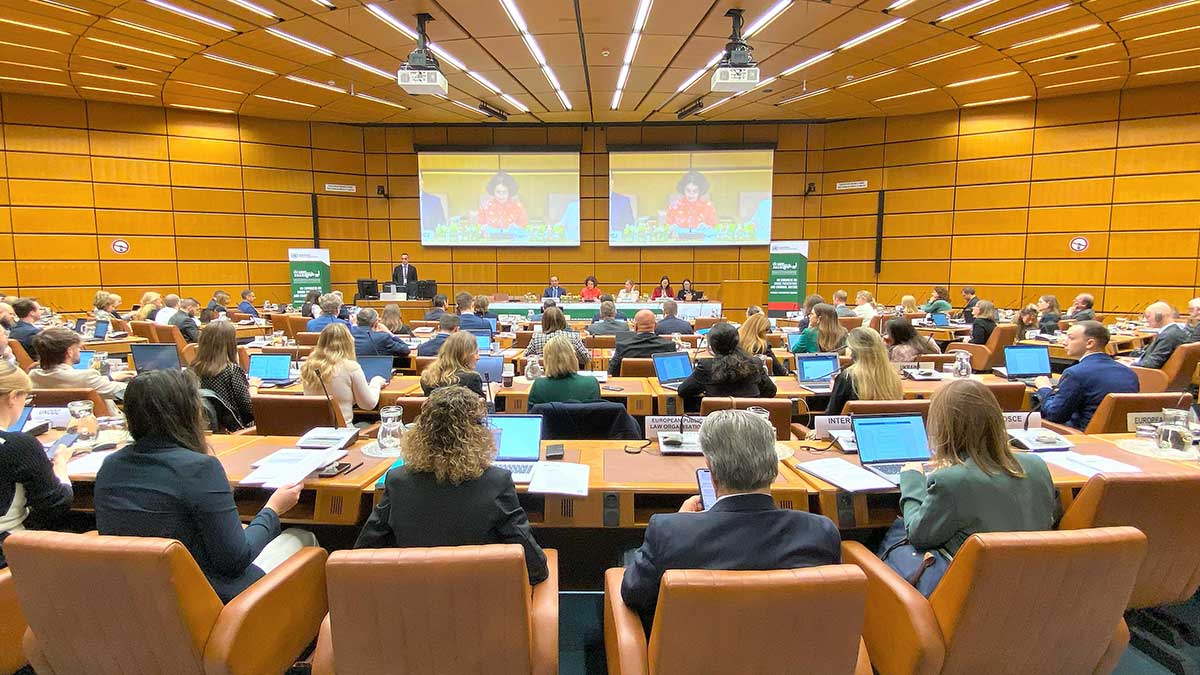
To understand how organized crime spans both the physical and digital environments, PHYGITAL-OC partners met at the Florence Courthouse on July 10, 2025, for a documentary screening and a closed-door briefing on the human smuggling/trafficking nexus from Africa to Europe.
As shown by the GI-TOC’s 2023 Global Organized Crime Index, human trafficking is rising: scoring 5.82 in 2023 — up 0.24 points since 2021 — making it the world’s second-highest criminal market after financial crimes. That rise underscores the urgency of scrutinising how networks exploit human lives, technology, and borders alike.
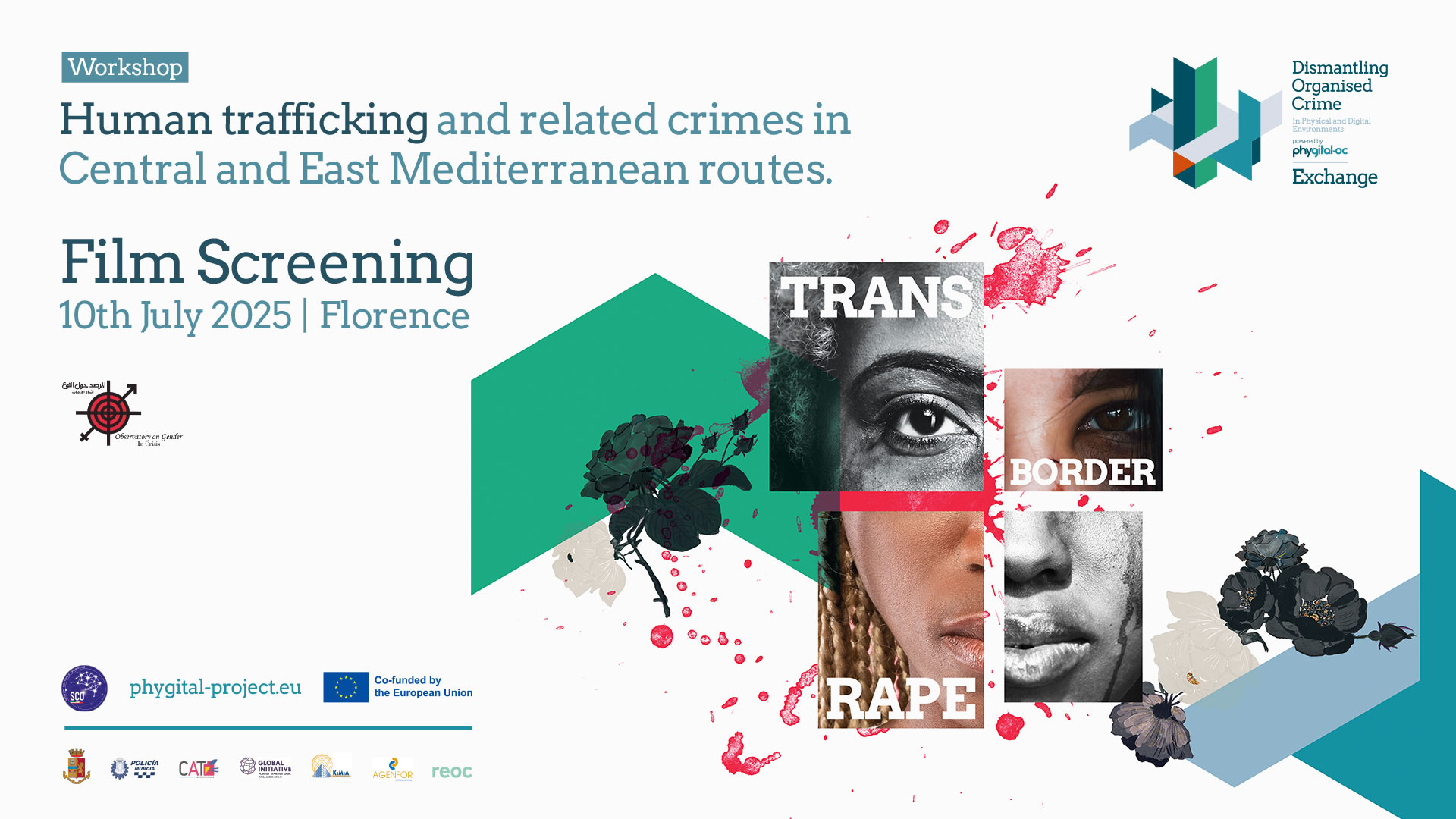
At the heart of the session was “Transborder Rape”, a documentary by the Libyan NGO Observatory on Gender and Crisis Area. Through interviews with victims and survivors, the film reveals the methods of smuggling networks operating across North Africa and the Sahel, and the toll they exact – especially on women and children from Western, Central, and Eastern Africa – through coercion, sexual violence, and other forms of exploitation. The screening was enhanced by the commentary of key witnesses who contributed to and self-produced the documentary.
After the documentary screening, guests from law enforcement agencies, local and international NGOs, judicial authorities, and journalists from across Europe participated in a discussion aimed at enhancing understanding of how trafficking groups are becoming increasingly sophisticated in their methods. The debate focused on how these groups are adopting and adapting new digital technologies to the physical world in which they operate.
The panel, moderated by General Prosecutor Pietro Suchan, included contributions from several experts: Sergio Bianchi, Director of Research and Innovation at AGENFOR International; Ruggero Scaturro, Senior Analyst at GI-TOC; Dr. Luigi Achilli, a Professor at the European University Institute in Florence; Sergio Nazzaro, an author and investigative journalist; and Dr. Insaf Dimassi, a PhD student in Social and Political Sciences at the University of Bologna.
While the screening and the debate ended, the stories stayed in the room. What followed was a commitment to match technical innovation with human-centred responses: faster collaboration across borders, a greater role from the European Union, a more effective use of digital technologies, and sustained space for victims’ voices. PHYGITAL-OC will carry this commitment into its next phase, translating testimonies, knowledge, and best practices into coordinated action against organized criminal networks that profit from exploitation.