
Level of human trafficking for forced criminality rising in Europe
Level of human trafficking for forced criminality rising in Europe
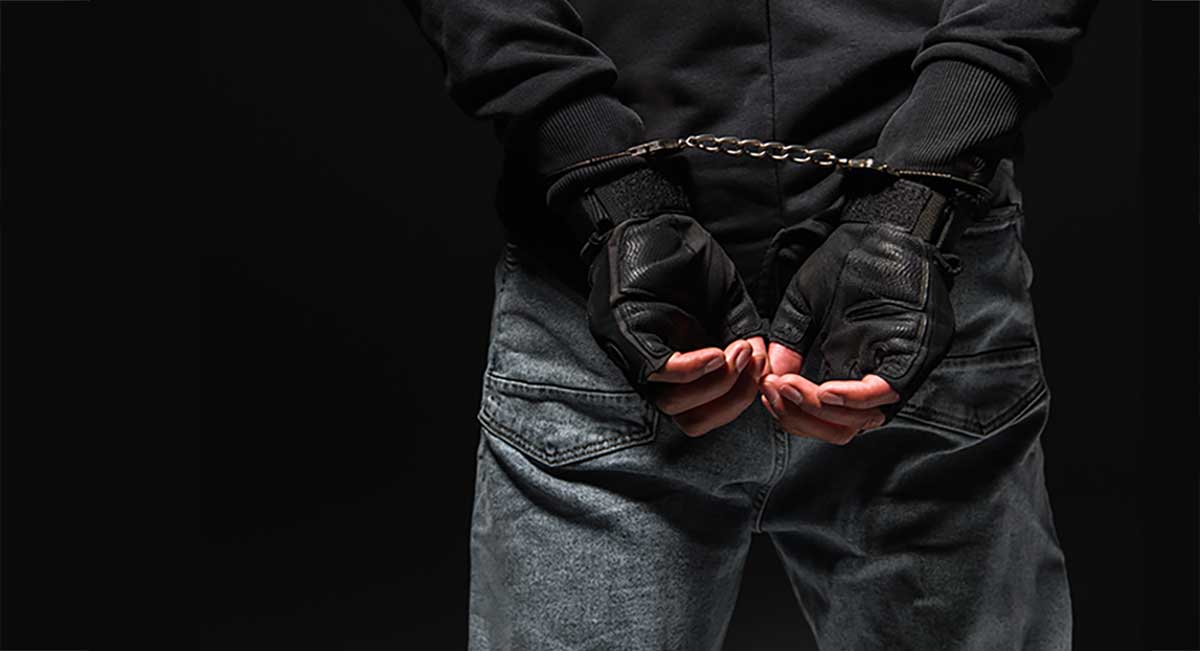
Trafficking in human beings for criminal exploitation is on the rise in Europe. It requires urgent action from governments to protect the victims from criminal groups that exploit their vulnerabilities and prevent their criminalisation, concludes the Council of Europe’s Group of experts on action against trafficking in human beings (GRETA) in its latest annual report.
The report reviews progress in the implementation of the Council of Europe Convention on action against trafficking in human beings by the countries that are party to the convention and examines challenges and emerging trends.
Trafficked people forced into drug trafficking, property crimes, money laundering
Human trafficking for exploitation in criminal activities, in which victims are compelled to commit crimes, is often linked to other forms of organised crime such as drug trafficking, property crimes, migrant smuggling, money laundering, document fraud and online scams.
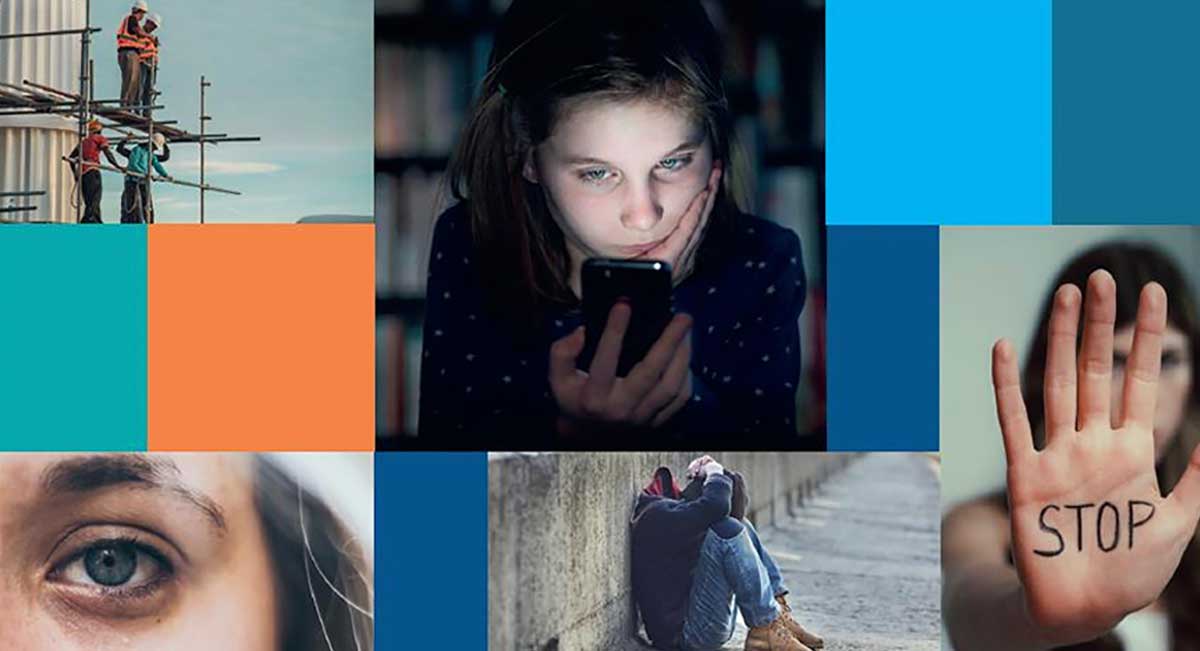
In its report, GRETA underlines the vulnerability factors that traffickers exploit to compel victims to carry out criminal activities, including poverty, homelessness, unemployment, precarious migration status, disabilities and addictions. Children and young people are exposed to numerous risk factors, especially unaccompanied or separated minors, children in residential care and from disadvantaged minorities.
Forced criminality victims often recruited online
Forced criminality has emerged as the main form of exploitation of child victims of trafficking in the United Kingdom, affecting predominantly UK children. In Croatia, criminal exploitation accounted for nearly a third of the identified victims in the period 2020-24. In Albania, the Republic of Moldova, Denmark and the Netherlands, trafficking for criminal exploitation accounted for between 7% and 15% of victims.
While noting that this type of trafficking is increasing in many European countries, GRETA notes that it is underrepresented – or even missing – in the data collected in some countries.
“The recruitment of victims is often initiated online, via job announcements, service advertisements, gaming sites and social media. Victims are compelled or forced to perform activities that constitute crimes or other unlawful activities. Failure to identify them as victims of human trafficking results in their being arrested, prosecuted, imprisoned and/or deported”, said Conny Rijken, President of GRETA.
Trafficking for exploitation in criminal activities is directly related to the application of the non-punishment provision of the Council of Europe anti-trafficking convention, which requires countries to provide for the possibility of not imposing penalties on victims of trafficking in human beings for their involvement in unlawful activities, to the extent that they have been compelled to do so.
“Of the 47 countries that have been evaluated by GRETA, 22 have adopted specific legal provisions concerning the non-punishment of victims of trafficking. The number of such countries has increased following recommendations made by GRETA. Nevertheless, progress remains incomplete, and we call on states parties to continue strengthening their legal frameworks and practices”, underlined GRETA’s President.
In 2025, GRETA published 13 country evaluation reports concerning Albania, Austria, Bulgaria, Croatia, Cyprus, Denmark, Georgia, Liechtenstein, the Republic of Moldova, Montenegro, Romania, the Slovak Republic and Ukraine.
***
The Group of experts on action against trafficking in human beings (GRETA) is an independent body which monitors the way countries implement the Council of Europe Convention on action against trafficking in human beings. All 46 member states of the Council of Europe are bound by the convention, as well as non-member states Belarus and Israel.